
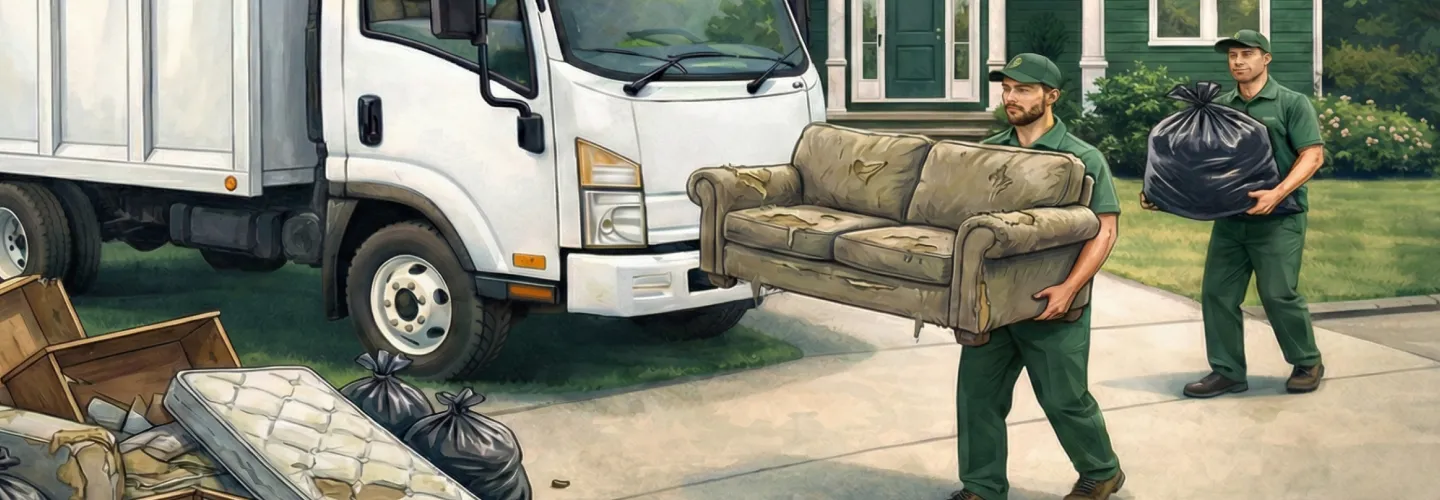
Mableton Hoarding Cleanup Services
Choose our Hoarding Cleanup service for discreet, respectful, and thorough assistance that restores safety, comfort, and peace of mind to your home.
Get a Free QuoteOur Mableton Junk Removal Services
Hoarding Cleanup in Mableton, GA – Local Service Guide
Hoarding cleanup in Mableton, GA requires a sensitive, thorough approach tailored to the unique needs of local residents and businesses. In neighborhoods like Vinings Estates and Legacy at the River Line, hoarding situations often come to light during major life transitions, property sales, or after seasonal events such as spring cleaning or storm recovery. For residential items—furniture, mattresses, appliances, and more—timing is often driven by replacements or estate transitions, with options to donate, recycle, or dispose depending on item condition and local guidelines. Access can be a challenge in older homes or during wet weather, and large items may require special handling. Residential spaces like garages and basements in flood-prone areas near Nickajack Creek may need more frequent cleanouts, especially after heavy rains or during city-wide trash pickup events. Commercial properties in the Mableton Parkway corridor face industry-specific needs, such as discreet, after-hours service for medical offices or high-volume removal for retail and hospitality. Specialty cleanups—foreclosure, estate, or construction debris—require careful planning, coordination with property managers, and adherence to local codes.
Benefits of Hoarding Cleanup in Mableton
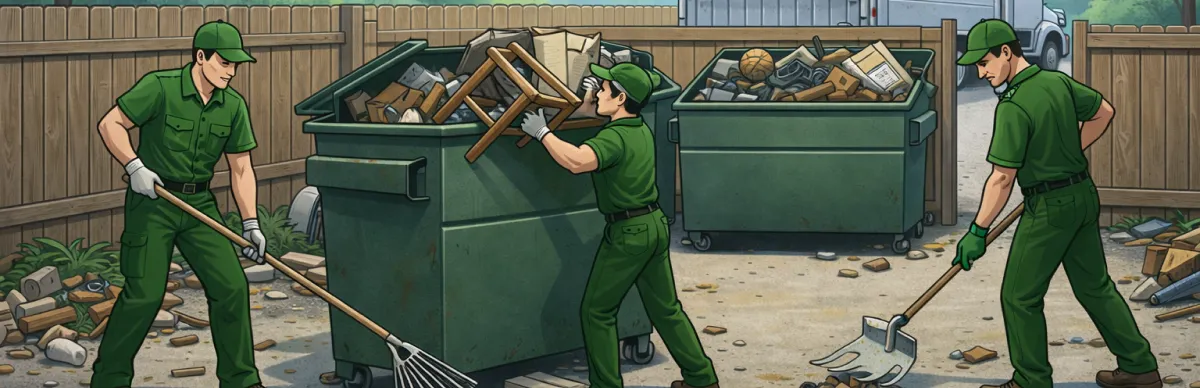
Compassionate and Discreet Service
Certified Cleanup Professionals
Fast and Reliable Response
Thorough Sanitization and Odor Removal
Customized Cleanup Plans
Safe Disposal of Hazardous Materials
Coordinating Hoarding Cleanup with Mableton Code Enforcement and Health Authorities
Hoarding situations in Mableton frequently involve code enforcement actions related to property maintenance standards, fire safety violations, and public health concerns. The Mableton Code Enforcement Department investigates complaints regarding excessive accumulation of materials, blocked egress points, and structural hazards resulting from prolonged hoarding conditions. Residents and property owners should understand the following regulatory considerations:
- Property maintenance violations may be issued when accumulated materials create visible exterior hazards or attract vermin
- Fire code compliance requires clear egress paths of at least 36 inches wide throughout all occupied structures
- Structural load concerns arise when excessive weight from hoarded materials compromises floor integrity
- Pest and rodent infestations triggered by hoarding conditions may prompt involvement from the Cobb County Board of Health
The Cobb County Fire Department may conduct inspections when hoarding creates imminent fire hazards, including blocked exits, obstructed smoke detectors, or combustible material accumulation near electrical panels and heating equipment.
Mableton Code Enforcement Department
1 Veterans Memorial Hwy SE, Mableton, GA 30126
Official Website: Mableton Code Enforcement Department
Biohazard and Hazardous Material Disposal Requirements for Mableton Hoarding Cases
Hoarding environments in Mableton commonly contain biohazardous materials, expired chemicals, and other substances requiring specialized handling under Georgia and federal regulations. The Georgia Environmental Protection Division (GA EPD) oversees solid waste management and hazardous material disposal standards that apply to hoarding cleanup operations. Key material categories requiring special handling include:
- Biohazardous waste such as animal waste, human waste, and contaminated textiles must be handled by licensed biohazard remediation professionals and transported to permitted treatment facilities
- Household hazardous waste including paints, solvents, pesticides, automotive fluids, and cleaning chemicals cannot be disposed of in regular solid waste streams
- Expired medications and sharps must be separated and disposed of through approved pharmaceutical take-back programs or designated collection events
- Lead paint debris in pre-1978 homes requires lead-safe work practices under the EPA Renovation, Repair, and Painting Rule
Cobb County periodically hosts Household Hazardous Waste collection events where residents can dispose of chemicals, batteries, fluorescent bulbs, and other prohibited materials at no charge. The Cobb County Water System also enforces stormwater protection regulations that prohibit contaminated runoff from cleanup sites entering storm drains.
Mableton Building Permits and Structural Assessments After Hoarding Remediation
Severe hoarding conditions often cause structural damage, mold growth, and compromised building systems that require renovation or repair following debris removal. The Mableton Building Division administers building permits and inspections for restoration work triggered by hoarding cleanup. Property owners should be aware of the following requirements:
- Building permits are required for structural repairs, electrical system restoration, plumbing modifications, and HVAC replacement resulting from hoarding damage
- Mold remediation exceeding 25 square feet typically requires professional assessment and may necessitate permits for associated demolition and reconstruction
- Asbestos surveys are recommended for homes built before 1980 when renovation involves disturbing insulation, floor tiles, or textured ceilings
- Plumbing and electrical inspections may be required when hoarding has caused water damage, pipe corrosion, or compromised wiring
The Mableton Community Development Department can provide guidance on zoning compliance and development standards applicable to properties undergoing significant post-hoarding restoration.
Mableton Building Division
1 Veterans Memorial Hwy SE, Mableton, GA 30126
Official Website: Mableton Building Division
Georgia Solid Waste Regulations Governing Hoarding Debris Disposal
All hoarding cleanup debris generated in Mableton must be disposed of in compliance with the Georgia Comprehensive Solid Waste Management Act (O.C.G.A. § 12-8-20) and local Cobb County solid waste ordinances. Georgia law establishes permitting requirements for solid waste handling facilities and prohibits illegal dumping with penalties ranging from fines to criminal prosecution. Important regulatory considerations include:
- Commercial haulers transporting hoarding debris must hold valid solid waste handling permits issued by the Georgia EPD
- Appliances containing refrigerants (refrigerators, air conditioners, dehumidifiers) require certified refrigerant recovery under EPA Section 608 regulations before disposal
- Electronics including televisions, computers, and monitors should be directed to certified e-waste recyclers rather than landfill disposal
- Scrap metal, cardboard, and recyclable plastics should be separated from general waste to support landfill diversion efforts
- Tires are subject to Georgia's scrap tire management regulations and cannot be disposed of in standard solid waste loads
Cleanup contractors operating in Mableton must maintain proper insurance, commercial licensing, and waste transporter documentation. The EPA Region 4 Southeast office provides federal compliance guidance for hazardous materials encountered during hoarding remediation.
Georgia Environmental Protection Division
2 Martin Luther King Jr. Dr. SE, Suite 1456 East, Atlanta, GA 30334
Phone: (404) 656-4713
Official Website: Georgia Environmental Protection Division
Recycling, Donation, and Material Recovery During Mableton Hoarding Cleanups
Hoarding cleanup projects in Mableton generate substantial volumes of potentially reusable and recyclable materials that should be diverted from landfill disposal whenever possible. Sorting and separating materials during the cleanup process supports environmental stewardship and may reduce overall disposal costs. Recommended material recovery practices include:
- Furniture and household goods in usable condition can be donated to local organizations such as Habitat for Humanity ReStore or Goodwill, which accept drop-offs of qualifying items
- Clothing and textiles should be separated for donation or textile recycling rather than landfill disposal
- Scrap metal including appliance frames, shelving, and metal fixtures can be directed to licensed scrap metal recyclers in the Cobb County area
- Paper, cardboard, and mixed recyclables should be separated according to Cobb County recycling guidelines
- Electronics should be taken to certified e-waste recycling facilities to ensure proper handling of circuit boards, batteries, and heavy metals
Professional hoarding cleanup crews should establish on-site sorting stations to categorize items into disposal, recycling, donation, and hazardous waste streams before transport. This systematic approach ensures compliance with Georgia solid waste regulations and maximizes material recovery.
What Neighborhoods Do We Serve Throughout Mableton, GA?
- Mableton Parkway Corridor: This commercial and residential corridor features a mix of single-family homes and multi-family complexes. Hoarding cleanup crews should anticipate varied access conditions, including apartment buildings with limited stairwell width and properties adjacent to high-traffic roadways requiring careful staging.
- Nickajack Heights: Established single-family homes in this area often date to the 1960s and 1970s, increasing the likelihood of lead paint and asbestos-containing materials during renovation-level hoarding remediation. Residential streets generally accommodate standard service vehicles.
- Riverside/Chattahoochee Area: Properties near the Chattahoochee River corridor require heightened attention to stormwater runoff prevention during cleanup to protect waterways. Wooded lots may present additional debris staging challenges.
- Veterans Memorial Highway Area: Mixed-use properties along this corridor may involve both residential and commercial hoarding situations. Access to commercial properties may require coordination with property management and adherence to business-hour restrictions.
- Heritage Oaks and Floyd Road Communities: These suburban neighborhoods feature predominantly single-family residences with driveway access suitable for cleanup vehicles. Homeowner association regulations may govern exterior staging of debris and scheduling of removal activities.
- Brookwood Estates: Larger lot sizes in this area provide adequate space for on-site material sorting during hoarding cleanup. Older home construction may necessitate pre-cleanup environmental assessments for hazardous building materials.