
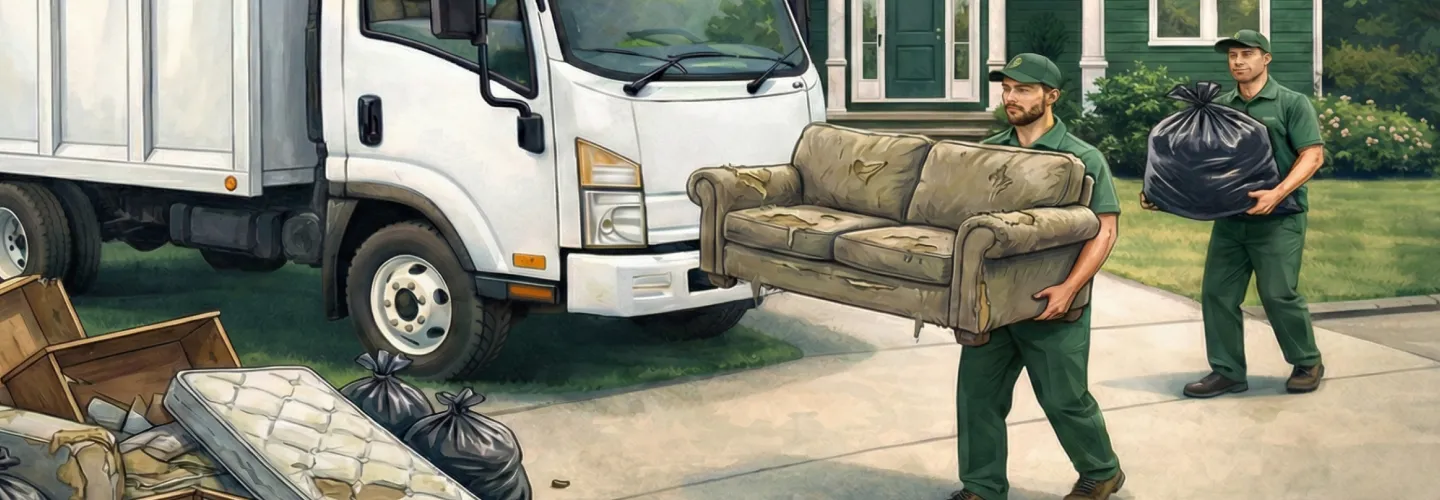
Mableton Construction Waste Management Services
Choose us for your construction waste management needs and experience reliable service, eco-friendly disposal, and a commitment to keeping your project sites clean, safe, and compliant—so you can focus on building, not worrying about the mess.
Get a Free QuoteOur Mableton Junk Removal Services
Construction Waste Management in Mableton, GA – Local Service Guide
Construction waste management in Mableton, GA, requires a tailored approach for both residential and commercial needs. In neighborhoods like Vinings Estates and Legacy at the River Line, residents often need to dispose of bulky items—such as furniture, appliances, or hot tubs—during seasonal cleanouts, renovations, or after major life events. Local weather and property access, especially in areas with dense tree coverage or limited driveway space, can impact logistics and timing. For residential spaces like garages, basements, and yards, spring and fall cleanouts are common, while storm debris and yard waste peak after summer storms or during leaf drop. Commercial properties in the Mableton Crossing and Floyd Road corridors face unique challenges, from high-volume construction debris to discreet office cleanouts, often requiring after-hours coordination and adherence to local schedules. Specialty services—such as dumpster rentals for estate or foreclosure cleanouts—demand careful planning, especially for larger properties or time-sensitive projects. For guidance on permits and local disposal rules, consult the Mableton Building Division.
Key Considerations for Construction Waste Management in Mableton
- Timing cleanouts around local weather and neighborhood access
- Securing necessary permits for large-scale disposal
- Using approved disposal and recycling channels
- Planning for volume and category-specific items (e.g., appliances, yard waste)
- Coordinating with local schedules and property management
- Addressing access challenges in older or densely wooded neighborhoods
Benefits of Construction Waste Management in Mableton
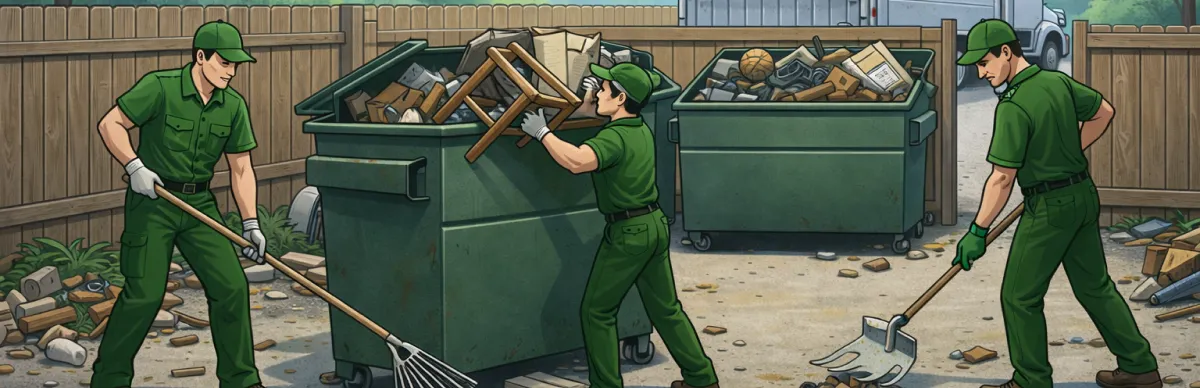
Efficient Debris Removal
Cost-Effective Waste Solutions
Environmentally Friendly Practices
Regulatory Compliance Assurance
Improved Site Safety
Streamlined Project Timelines
Coordinating Construction Debris Disposal with Mableton's Building Division and Code Enforcement
Construction and demolition projects in Mableton generate significant volumes of waste that require proper coordination with municipal authorities before disposal begins. The Mableton Building Division oversees building permits for renovation and demolition work, and waste management planning is a critical component of the permitting process. Contractors and property owners must ensure debris removal aligns with all applicable codes.
- Building permits are required for demolition, structural renovation, and major remodeling projects generating construction debris
- Waste management plans may be required as part of permit applications for large-scale projects
- Code enforcement inspections verify that debris is not accumulating on-site in violation of property maintenance standards
- Illegal dumping of construction materials on vacant lots or public rights-of-way is subject to municipal fines and enforcement action
- Project timelines must account for debris removal scheduling to maintain compliance with permit conditions
Mableton Building Division
1 Veterans Memorial Highway SE, Mableton, GA 30126
Official Website: Mableton Building Division
Property owners should contact the Building Division early in the planning process to confirm permit requirements and any waste disposal conditions attached to their specific project scope.
Georgia's Solid Waste Management Act and Construction Debris Regulations
Georgia regulates construction and demolition waste under the Georgia Comprehensive Solid Waste Management Act (O.C.G.A. § 12-8-20), which establishes statewide standards for the handling, transport, and disposal of solid waste including construction debris. The Georgia Environmental Protection Division (GA EPD) administers permitting for landfills and transfer stations that accept construction and demolition materials. Mableton-area contractors and homeowners must comply with both state and local requirements.
- Construction and demolition (C&D) debris includes lumber, drywall, concrete, brick, roofing materials, metals, and plumbing fixtures
- Inert waste landfills in Georgia accept clean concrete, brick, block, and asphalt but prohibit mixed C&D loads containing hazardous materials
- Asbestos-containing materials must be handled by licensed abatement contractors and disposed of at facilities permitted to accept regulated asbestos waste
- Lead-based paint debris from pre-1978 structures requires compliance with the EPA Renovation, Repair, and Painting Rule
- Illegal disposal of construction waste carries penalties including fines and potential criminal prosecution under Georgia law
Haulers transporting C&D debris must use properly permitted disposal facilities and maintain load documentation for regulatory compliance.
Material Sorting and Separation Requirements for Mableton Construction Projects
Proper sorting of construction waste at the job site is essential for regulatory compliance and maximizing landfill diversion. Mableton construction projects benefit from on-site separation practices that direct recyclable materials away from landfill disposal. Cobb County and surrounding facilities may require separated loads for certain material types, and mixed loads can result in higher disposal fees or rejection at recycling facilities.
- Concrete, brick, and masonry should be separated for crushing and reuse as aggregate base material
- Scrap metals including steel framing, copper pipe, aluminum flashing, and iron fixtures have significant recycling value and should be collected separately
- Clean wood free of paint, stain, and chemical treatment may be accepted at wood recycling or mulching facilities
- Treated or painted wood must be disposed of as solid waste due to chemical contamination concerns
- Drywall and gypsum board can be recycled at specialized facilities but must be kept dry and free of mold contamination
- Roofing shingles (asphalt) are accepted at certain recycling processors for road base applications
Contractors should establish clearly labeled collection areas on-site for each material stream to prevent cross-contamination and facilitate efficient hauling to appropriate facilities.
Hazardous Material Handling and Stormwater Compliance on Mableton Construction Sites
Construction sites in Mableton must address hazardous materials and stormwater pollution prevention as part of their waste management obligations. The Cobb County Water System oversees stormwater management in the Mableton area, and construction activities that disturb land or generate polluted runoff are subject to erosion and sediment control requirements. Hazardous materials commonly encountered during renovation and demolition require specialized handling.
- Asbestos surveys are recommended for structures built before 1980; friable asbestos must be removed by Georgia-licensed abatement professionals before demolition begins
- Lead paint in pre-1978 buildings requires EPA RRP-certified contractors for renovation work generating lead-contaminated debris
- Chemical waste including solvents, adhesives, paints, and sealants must not be disposed of in construction debris containers and should be taken to household hazardous waste collection events
- Stormwater pollution prevention plans (SWPPPs) are required for construction sites disturbing one acre or more under EPA NPDES permit requirements
- Sediment and erosion controls must prevent construction debris, soil, and waste materials from entering storm drains and waterways
Cobb County Water System
660 South Cobb Drive, Marietta, GA 30060
Official Website: Cobb County Water System
Failure to implement proper stormwater controls on construction sites can result in stop-work orders and significant fines from state and county enforcement agencies.
Mableton Code Enforcement Standards for Construction Site Debris and Property Maintenance
The Mableton Code Enforcement Department enforces property maintenance standards that directly affect how construction waste is stored, contained, and removed from job sites. Active construction projects and completed renovations alike must maintain compliance with municipal codes governing debris accumulation, site cleanliness, and neighborhood impact.
- Debris containment is required on all construction sites; loose materials must not blow onto adjacent properties or public rights-of-way
- Timely removal of construction waste is expected upon project completion; abandoned debris piles may trigger code violation notices
- Right-of-way obstructions caused by construction materials placed on sidewalks, streets, or public easements require coordination with the Cobb County Department of Transportation
- Noise ordinances may restrict hours for debris loading and hauling operations in residential areas
- Complaint-driven enforcement means neighbors can report debris accumulation, triggering inspections and potential fines
Mableton Code Enforcement Department
1 Veterans Memorial Highway SE, Mableton, GA 30126
Official Website: Mableton Code Enforcement Department
Contractors and property owners should proactively schedule debris removal throughout the project rather than allowing materials to accumulate, reducing the risk of code violations and neighborhood complaints.
What Neighborhoods Do We Serve Throughout Mableton, GA?
- Mableton Town Center: Mixed-use redevelopment area with both residential and commercial construction activity. Projects here may require coordination with the Mableton Community Development Department for zoning compliance and waste management plan review during renovation work.
- Nickajack Heights: Established single-family residential neighborhood with homes dating to the mid-twentieth century. Renovation projects may encounter lead paint and asbestos, requiring specialized debris handling and certified contractor involvement.
- Floyd Road Corridor: Commercial and retail properties along this major thoroughfare generate construction waste from tenant buildouts and facade renovations. Right-of-way coordination is essential for debris hauling on this high-traffic route.
- Heritage Oaks: Newer subdivision with larger lot sizes and wide street access, facilitating construction debris removal for home additions and remodeling projects. HOA guidelines may impose restrictions on debris storage duration and placement visibility.
- Riverview Estates: Properties near the Chattahoochee River corridor require heightened attention to stormwater runoff and erosion control during construction. Debris must be managed to prevent materials from entering waterways and floodplain areas.
- Veterans Memorial Highway Area: High-density commercial zone with ongoing development and redevelopment activity. Construction waste volumes tend to be significant, and coordination with Cobb County transportation authorities is necessary for hauling logistics on this busy corridor.