
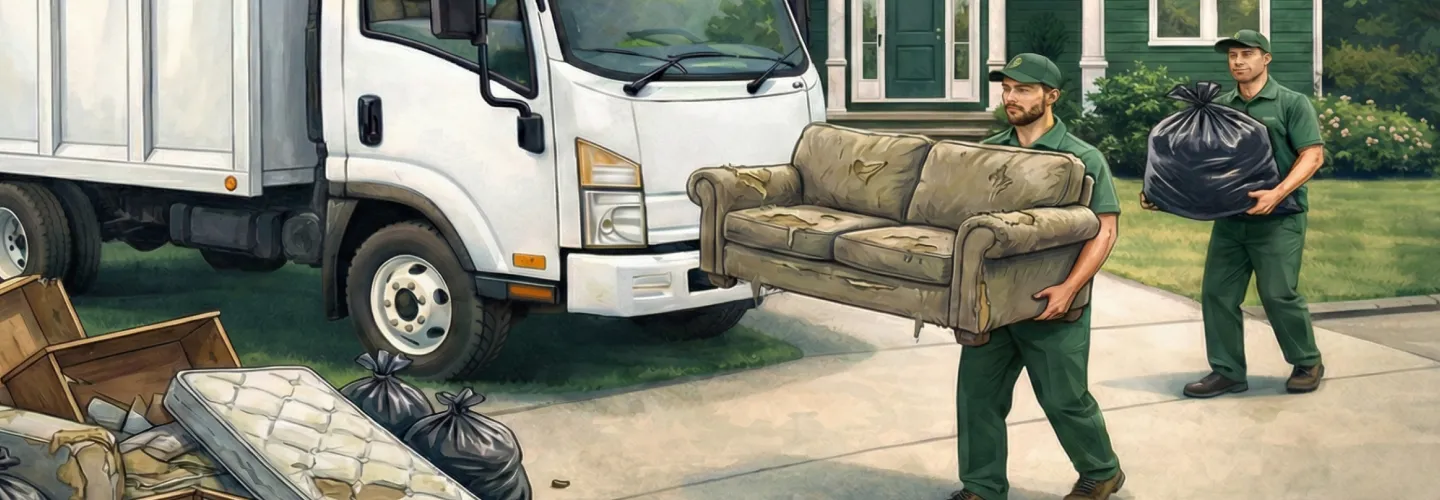
Mableton Shed Removal Services
Choose our shed removal experts for safe, efficient, and affordable service—so you can reclaim your outdoor space without the stress.
Get a Free QuoteOur Mableton Junk Removal Services
Shed Removal in Mableton, GA – Local Service Guide
Shed removal in Mableton, GA is a common need for homeowners updating their properties in neighborhoods like Vinings Estates and Legacy at the River Line. Many residents seek shed removal during spring cleanouts, after storm damage, or when replacing old storage with new solutions. Local disposal options include recycling metal components or donating usable materials, but most sheds require professional dismantling and hauling due to their size and construction. Access can be challenging in backyards with limited entry or during rainy seasons, so planning around weather and property layout is key. Mableton’s permitting requirements may apply, especially for larger structures—always check with the Mableton Building Division for current rules. Whether you’re clearing space for a garden or prepping for a home sale, local experts can coordinate safe, efficient removal tailored to your needs.
Key Considerations for Shed Removal in Mableton
- Timing: Schedule around dry weather and local events
- Permits: Verify with city building authorities before starting
- Disposal Channels: Explore recycling or donation for salvageable materials
- Access: Assess backyard entry and potential obstacles
- Volume: Estimate debris for proper hauling equipment
- Coordination: Work with professionals familiar with Mableton’s neighborhoods and regulations
Benefits of Shed Removal in Mableton
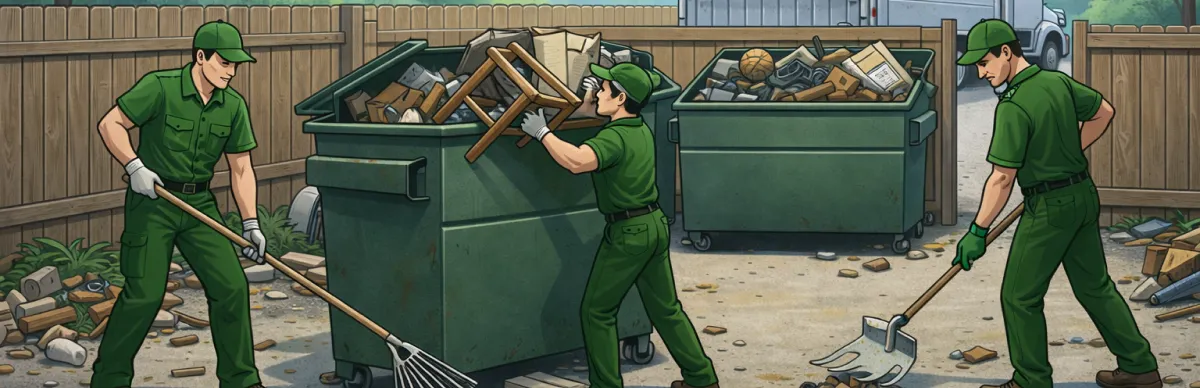
Fast Shed Removal Services
Eco-Friendly Disposal Solutions
Licensed and Insured Team
Transparent Upfront Pricing
Flexible Scheduling Options
Comprehensive Site Cleanup
Coordinating Shed Removal Permits with Mableton's Building Division and Code Enforcement
Shed removal in Mableton requires careful coordination with municipal authorities before any demolition or dismantling begins. Depending on the shed's size, construction type, and location on the property, a demolition permit may be required through the city's permitting process. Residents should verify whether their shed removal project triggers permit requirements, particularly for structures with electrical wiring, plumbing connections, or concrete foundations.
Key steps for permit coordination include:
- Confirm permit necessity by contacting the Building Division with your shed's dimensions, materials, and utility connections
- Submit a permit application with a site plan showing the shed's location relative to property lines and setbacks
- Schedule inspections if the shed has electrical or plumbing disconnections that require sign-off
- Verify zoning compliance to ensure removal does not conflict with any conditional use or variance requirements
- Allow 5–10 business days for permit review and approval before scheduling demolition
Properties within specific overlay districts or those subject to homeowners association covenants may face additional review requirements. The Mableton Code Enforcement Department can confirm whether any active violations or property maintenance orders affect the removal timeline.
Mableton Building Division
1 Veterans Memorial Highway SE, Mableton, GA 30126
Official Website: Mableton Building Division
Sorting and Separating Shed Demolition Materials for Mableton Disposal Compliance
Shed demolition generates a mix of materials that must be properly sorted before disposal. Georgia's solid waste regulations, administered by the Georgia Environmental Protection Division, require that construction and demolition debris be managed separately from household waste. Mableton residents and contractors must separate shed materials into distinct categories to comply with local and state disposal requirements.
Common shed materials and their disposal categories include:
- Treated lumber: Must be disposed of at facilities permitted to accept treated wood; cannot be burned or composted due to chemical preservatives such as chromated copper arsenate (CCA)
- Metal roofing, hinges, and fasteners: Recyclable as scrap metal at licensed metal recycling facilities throughout Cobb County
- Asphalt shingles: Accepted at select construction and demolition debris facilities; some facilities offer shingle recycling programs
- Concrete slabs and footings: Classified as inert material; accepted at clean fill sites or concrete recycling operations
- Vinyl siding and plastic components: Typically landfill-bound unless a specialty plastics recycler accepts the specific resin type
- Glass windows: Must be handled carefully to prevent breakage; accepted at C&D disposal facilities
Mixing prohibited materials—such as paint cans, pesticide containers, or pressure-treated wood ash—with standard demolition debris can result in load rejection at transfer stations and potential code enforcement action.
Hazardous Material Identification Before Shed Demolition in Mableton Properties
Older sheds in Mableton may contain hazardous materials that require special handling before demolition can proceed. Structures built before 1978 may have lead-based paint on interior or exterior surfaces, and sheds constructed with certain insulation or roofing products may contain asbestos-containing materials. Federal and state regulations impose strict requirements on the identification and handling of these substances.
Critical hazardous material considerations include:
- Lead-based paint: Sheds built before 1978 should be assessed for lead paint; the EPA Renovation, Repair, and Painting Rule requires lead-safe work practices when disturbing painted surfaces in applicable structures
- Asbestos-containing materials: Cement board siding, certain roofing felts, and pipe insulation may contain asbestos; Georgia requires a thorough inspection by a licensed asbestos inspector before demolition of suspect structures
- Pesticide and chemical residues: Sheds used for garden chemical storage may have contaminated shelving or flooring that requires hazardous waste disposal
- Pressure-treated wood (pre-2004): Lumber treated with CCA contains arsenic and chromium; disposal must follow Georgia EPD guidelines for treated wood waste
Residents should not attempt to remove or disturb suspected asbestos or lead paint without professional assessment. Improper handling can result in airborne contamination, health hazards, and violations under both state and federal environmental law. The EPA Region 4 Southeast office oversees federal environmental compliance for the Mableton area.
Mableton Code Enforcement Department
1 Veterans Memorial Highway SE, Mableton, GA 30126
Official Website: Mableton Code Enforcement Department
Recycling and Salvaging Reusable Materials from Mableton Shed Removal Projects
Shed removal projects present significant opportunities for material recovery and landfill diversion. Many shed components retain value and can be recycled, donated, or repurposed rather than sent to a landfill. Mableton residents are encouraged to maximize material recovery in alignment with Georgia's solid waste reduction goals.
Salvageable materials commonly found in shed demolition include:
- Doors, windows, and hardware: Functional doors, window frames, and hardware such as hinges, latches, and handles can be donated to organizations like Habitat for Humanity ReStore locations in the greater Atlanta metro area
- Dimensional lumber: Untreated lumber in good condition can be reused for other projects or donated; inspect for rot, insect damage, and paint before salvaging
- Scrap metal: Steel roofing panels, aluminum flashing, copper wiring, and iron brackets are accepted at scrap metal recyclers; separate ferrous and non-ferrous metals for maximum recovery value
- Concrete and masonry: Crushed concrete from foundations and piers can be recycled as aggregate material at permitted C&D recycling facilities
Before demolition begins, conduct a walkthrough to identify items suitable for reuse. Removing reusable components intact—rather than demolishing everything at once—reduces waste volume and may lower overall disposal costs. The Georgia Tree Council can provide guidance if shed removal involves tree or landscape preservation considerations on the property.
Stormwater Protection and Site Restoration After Shed Removal in Mableton
Shed removal exposes bare soil and can alter drainage patterns on residential properties, creating potential stormwater management concerns. Mableton and Cobb County enforce stormwater regulations to protect local waterways, including Nickajack Creek and the Chattahoochee River watershed. Property owners must take steps to prevent erosion and sediment runoff during and after shed demolition.
Post-removal site restoration requirements include:
- Erosion control: Install silt fencing or straw wattles around the exposed area if the site slopes toward storm drains, neighboring properties, or waterways
- Soil stabilization: Reseed or sod exposed ground within 14 days of shed removal to prevent erosion; apply straw mulch to protect seed during germination
- Debris containment: Prevent demolition debris, sawdust, and loose materials from entering storm drains or drainage ditches during the removal process
- Foundation removal: If the concrete slab or pier foundation is removed, backfill and grade the area to match surrounding terrain and restore natural drainage flow
- Utility disconnection verification: Confirm that any electrical, water, or gas lines serving the shed have been properly disconnected and capped by licensed professionals
The Cobb County Water System manages stormwater services for the Mableton area and can provide guidance on erosion control requirements for disturbed sites. Failure to implement proper stormwater controls may result in code enforcement action and fines.
Cobb County Water System
660 South Cobb Drive, Marietta, GA 30060
Official Website: Cobb County Water System
What Neighborhoods Do We Serve Throughout Mableton, GA?
- Mableton Town Center: Properties near the historic downtown core often feature older sheds with potential lead paint or asbestos concerns. Narrow lot configurations and close property-line setbacks may require careful equipment positioning during demolition and debris loading.
- Nickajack Heights: This residential area near Nickajack Creek demands heightened stormwater protection during shed removal. Sloped lots and proximity to waterways require erosion control measures and careful site grading after foundation removal.
- Heritage Oaks: Established single-family homes in this neighborhood frequently have larger backyard storage sheds with concrete slab foundations. Mature tree canopy may limit equipment access and require coordination with arborists for branch clearance.
- Floyd Road Corridor: Mixed residential and commercial properties along this corridor may involve sheds with electrical service connections requiring licensed disconnection. Street-facing properties should coordinate with the Cobb County Department of Transportation if removal vehicles require temporary lane use.
- Riverside at Mableton: Newer construction in this community typically involves sheds built to current code standards. HOA approval is generally required before shed removal, and architectural review committees may impose restoration requirements for the cleared site.
- Veterans Memorial Highway Area: Properties along this busy corridor face access challenges due to traffic volume and limited staging space. Shed removal projects here benefit from early-morning scheduling and coordination with Mableton's Community Development Department for any necessary right-of-way considerations.